• Expertise
  • Ingredient Solutions
  • Applications
  • Resources
    Resources
  • PLT People & Planet
  • About
    About

    Our international network, passionate team of experts and extensive industry knowledge is what sets us apart.

    Seth circle headshot
    Seth Flowerman
    CEO

Kinexa™ Joint Longevity Complex

Joint structure is the key to a lifetime of mobility
KinexaTM_Color Logo wtag

OVERVIEW

Kinexa is a clinically studied, whole-joint solution that preserves joint structure, builds functional strength and supports the entire joint as a system.

Key joint structures affected

5

Key joint structures affected

24% Improvement in knee strength

24%

Improvement in knee strength*

Improvement in cartilage thickness*

10%

Improvement in cartilage thickness*

Improvement in joint comfort, function, and stiffness*

>49%

Improvement in joint comfort, function, and stiffness*

FEATURES & BENEFITS


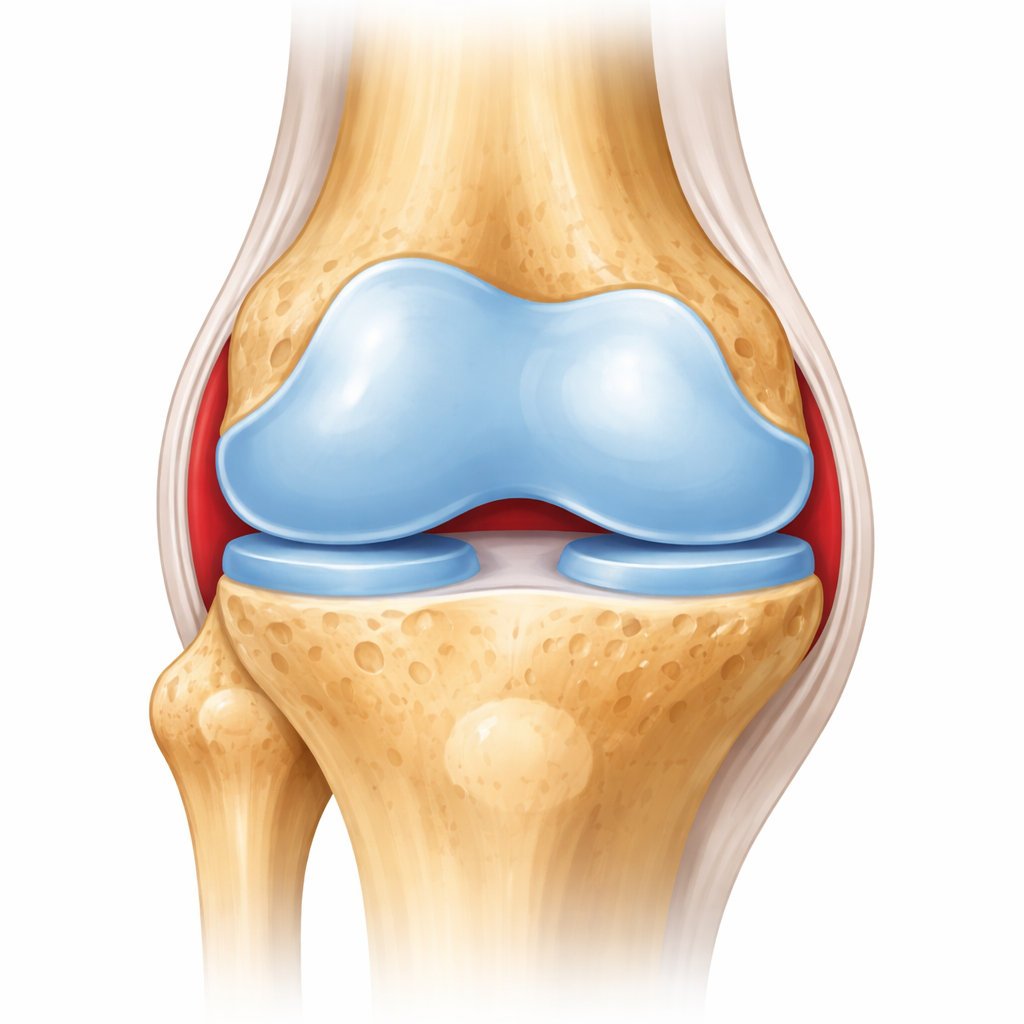
Shown to preserve and improve 5 key joint structures: Cartilage, Menisci, Ligaments, Synovium, and Subchondral bone*

Kinexa has also been down to improve knee strength and functional performance*

24% improvement in knee strength*

10% improvement in cartilage thickness*

4% improvement in cartilage composition*

Greater than 26% improvement in functional mobility*

Greater than 49% improvement in joint comfort, function and stiffness*

Knee Image 3

CERTIFICATIONS

Vegan Icon

VEGAN

cert-icons-cert-gluten-free-1

GLUTEN-FREE

cert-icons-cert-non-gmo-1

NON-GMO

Solvent Free

SOLVENT-FREE

A Synergistic Botanical Complex Screened for Joint Structure Benefits


Haritaki (Terminalia chebula)

A revered Ayurvedic herb known as the "King of Medicines"

Kinexa Ingredients


Tumeric (Curcuma longa)

A member of the ginger family, primarily known a a key ingredient in curry powder.

Indian Frankincense (Boswellia serrata)

A potent Ayurvedic resin for thousands of years to reduce chronic inflammation

Rhodiola rosea

Rhodiola rosea is a plant native to remote Arctic climates in Asia, Europe and North America.

rhodiolife-rhodiola-1


Exciting Phytochemistry

The root of the plant contains around 140 chemical compounds including phenols, rosavin, rosarin, salidroside and more.

Detail 1

Kale chips cold-pressed put a bird on it mumblecore kogi brooklyn farm-to-table blue bottle yuccie authentic kombucha migas. Literally tilde tacos paleo.

turmeric-curry-moringa-oleifera-ingredient-slendacor


Detail 2

Kale chips cold-pressed put a bird on it mumblecore kogi brooklyn farm-to-table blue bottle yuccie authentic kombucha migas. Literally tilde tacos paleo.

RESEARCH

When it comes to understanding joint structure, imaging is everything

In the new clinical study, 100 subjects aged 40–75 with Grade II or III osteoarthritis received 200 mg/day of Kinexa or a matching placebo for six months. Assessments occurred at baseline, 1, 2, 4, and 6 months. Key subjective outcomes included WOMAC, VAS, and Lequesne Functional Index (LFI) scores. Functional measures included isometric knee torque, a 6-minute walk test, and a Timed Get Up and Go test. Advanced imaging assessed cartilage volume and thickness (MRI), cartilage composition (dGEMRIC MRI), and Whole Organ Magnetic Resonance Imaging Score (WORMS), a semi-quantitative MRI scoring of whole-joint structural integrity, which includes subchondral bone. Biomarkers of inflammation and cartilage metabolism were also evaluated.

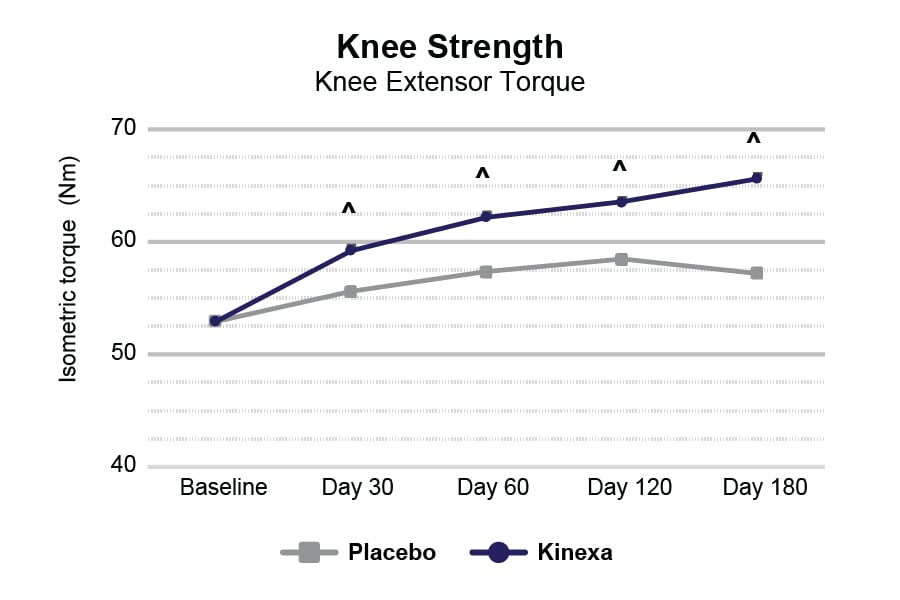
Kinexa improved knee strength by 24%*
Kinexa Charts_Knee Strength

Kinexa significantly improved average Knee Extensor Torque across the 3 angles assessed (30°, 60°, 90°) vs. baseline and placebo at Days 30, 60, 120 and 180.


*Knee joint torque improved 24% relative to baseline in the Kinexa cohort over the 6-month study.


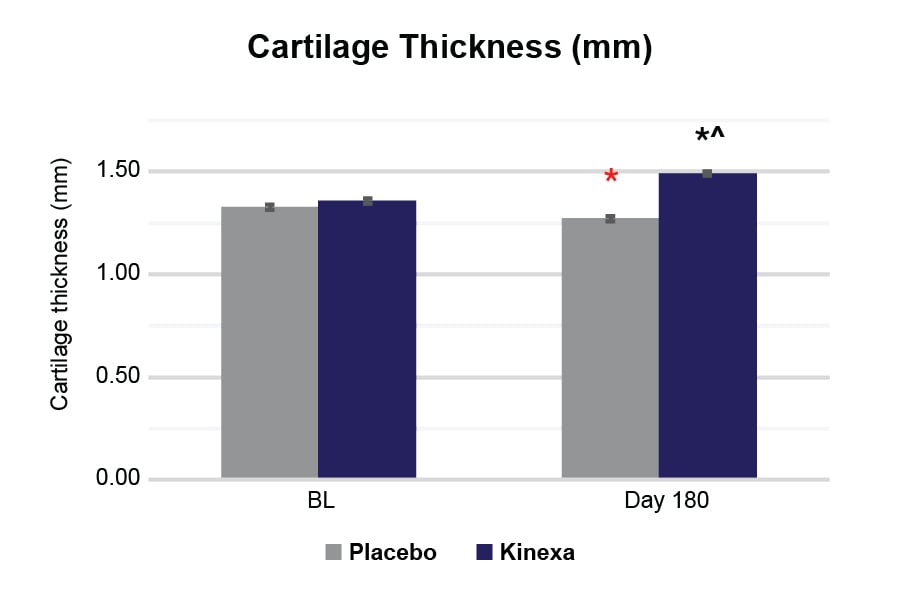
Kinexa improved cartilage thickness by 10%*
Kinexa Charts_Cartilage Thickness

Cartilage thickness, assessed by MRI, was significantly improved vs baseline and vs placebo in the Kinexa group, while in the placebo group, cartilage thickness significantly declined over the 6-month study.


*Cartilage thickness improved 10% relative to baseline in the Kinexa.


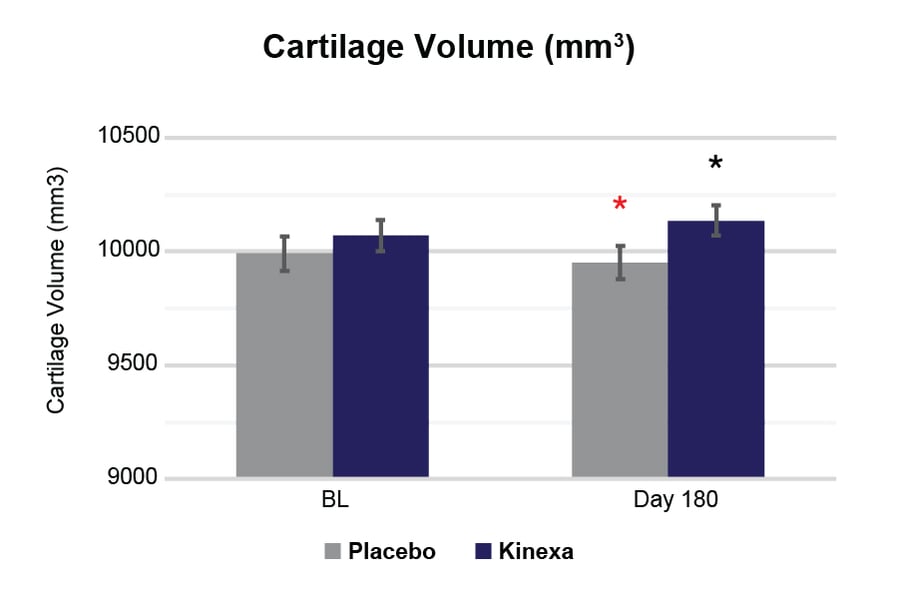
Kinexa significantly improved cartilage volume
Kinexa Charts_Cartilage Volume

Cartilage volume, assessed by MRI, significantly improved vs baseline in the Kinexa group, while in the placebo group, cartilage volume significantly declined versus baseline over the 6-month study.


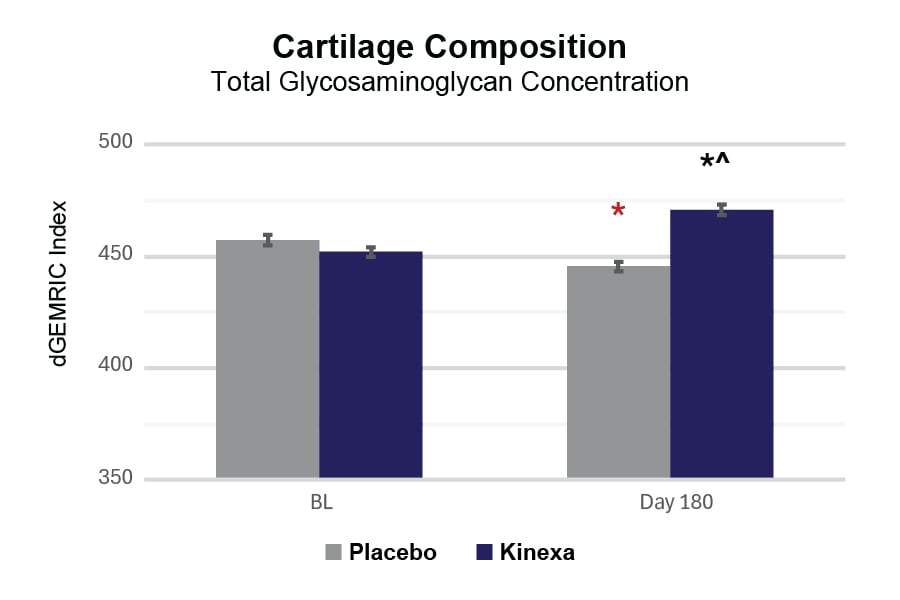
Kinexa improved cartilage glycosaminoglycan concentration by 4%*
Kinexa Charts_Cartilage Composition

Cartilage composition, evaluated as glycosaminoglycan concentration via dGEMRIC-enhanced MRI, was significantly improved vs baseline and vs placebo in the Kinexa group. In the placebo group, the concentration of glycosaminoglycans in cartilage significantly declined over the 6-month study. 


*Glycosaminoglycan concentration of cartilage improved 4% relative to baseline in the Kinexa group.


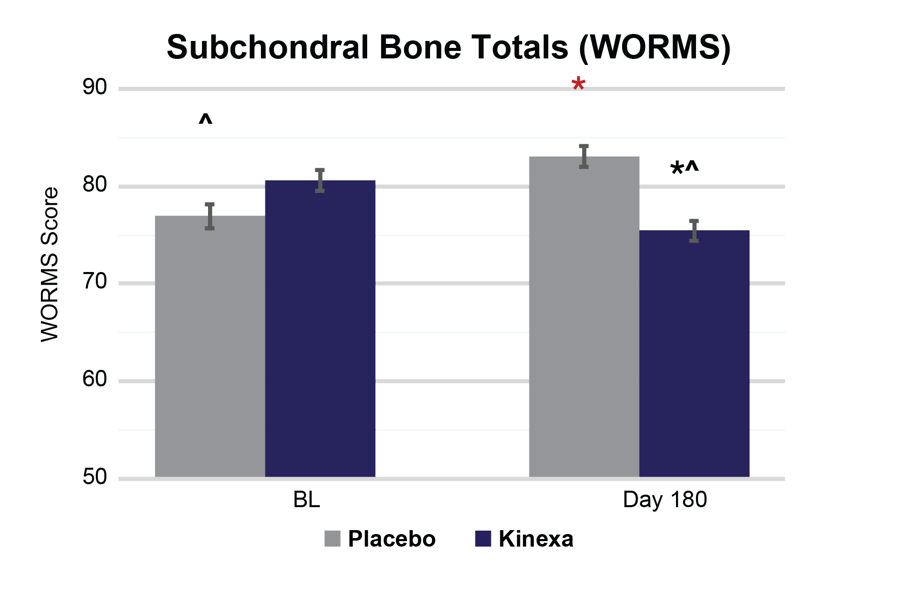
Kinexa significantly improved the health of the foundational bone in the joint
UPDATED - Kinexa Charts_Subchondral Bone Totals

Subchondral Bone WORMS Composite Scores improved significantly versus baseline and placebo for the Kinexa group, while the placebo declined significantly over the 6-month study.


WORMS Subchondral Bone Composite Score is comprised of bone lesion, cysts, osteophyte and attrition scores.


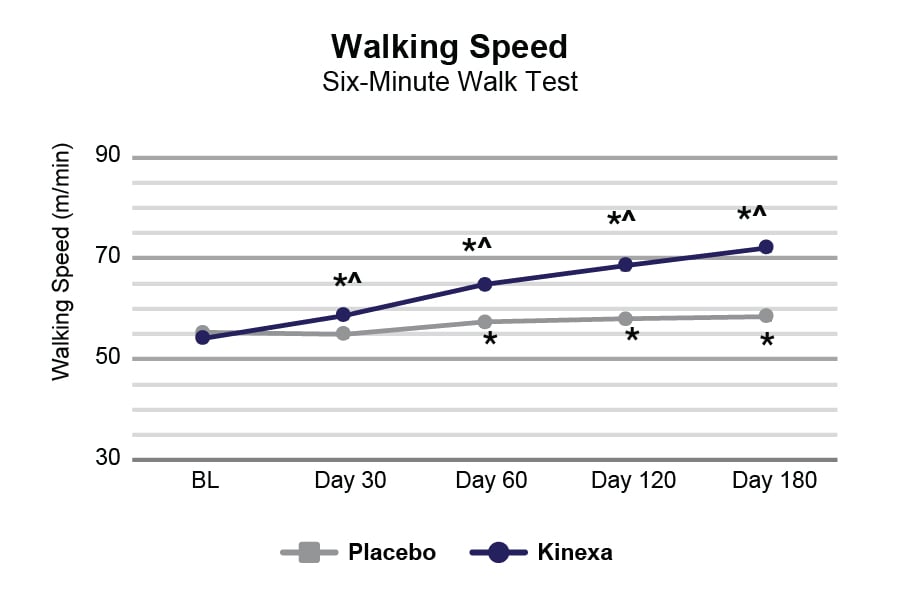
Kinexa improved physical performance by 33%*
Kinexa Charts_Walking Speed

Kinexa significantly improved average walking speed in the Six-Minute Walk Test versus baseline and placebo at Days 30, 60, 120, and 180. 


*Walking Speed improved 33% relative to baseline in the Kinexa group over the 6-month study.


Kinexa significantly improved the health of ligaments and menisci
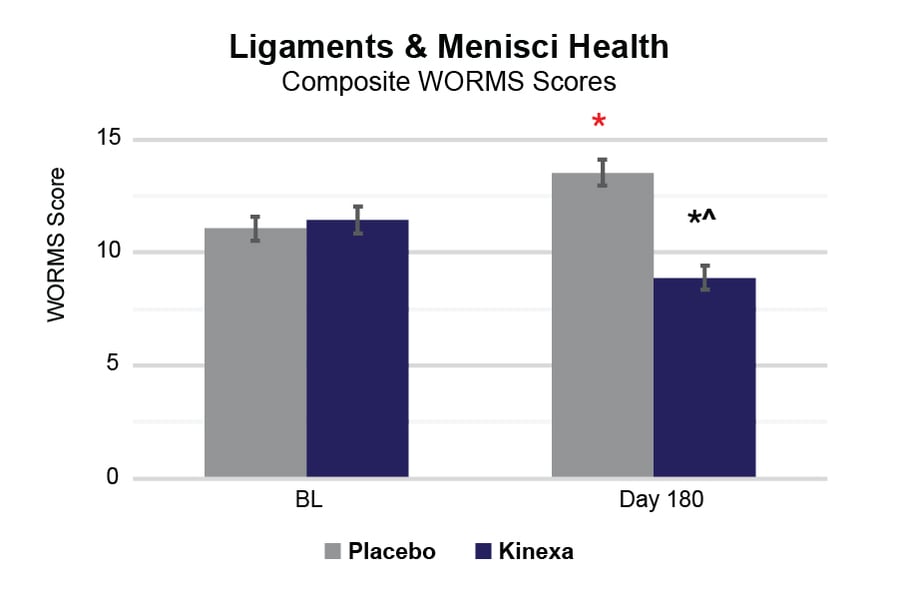
Kinexa Charts_Ligaments & Menisci Health

Ligament & Menisci WORMS Composite Score improved significantly versus baseline and placebo for the Kinexa group, while the placebo scores declined significantly over the 6-month study. 


WORMS Ligament & Menisci Composite Score is comprised of anterior/posterior cruciate and medial/lateral collateral ligaments.


Kinexa improved overall joint comfort, stiffness and function by 56%*
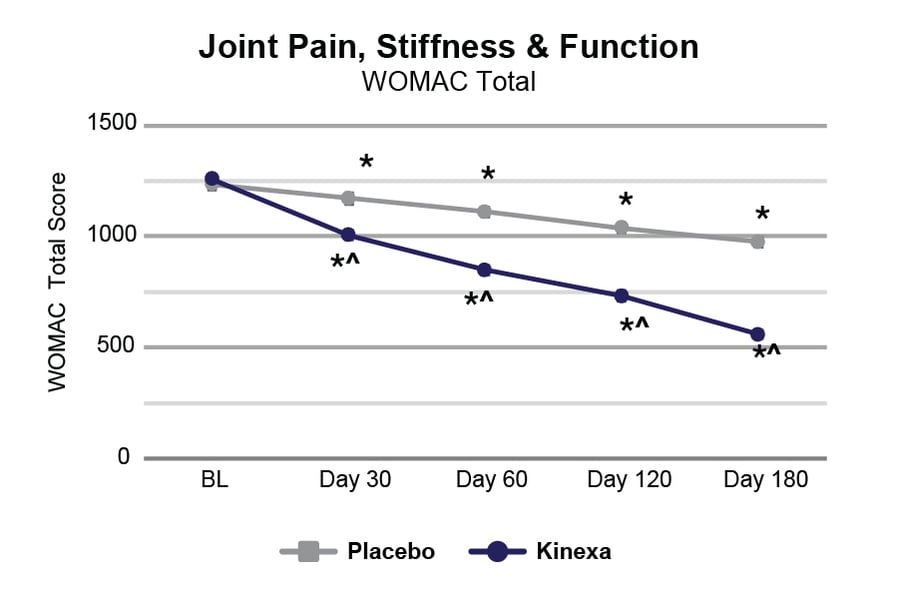
Kinexa Charts_Joint Pain, Stiffness & Function

Kinexa significantly improved Total WOMAC versus baseline and placebo at Days 30, 60, 120, and 180. 
All WOMAC Subsets (Pain, Stiffness and Function) were also significantly improved with Kinexa versus baseline and placebo at Days 30, 60, 120 and 180. 


*Total WOMAC improved 56% relative to baseline in the Kinexa group over the 6-month study.


Kinexa significantly improved synovial health
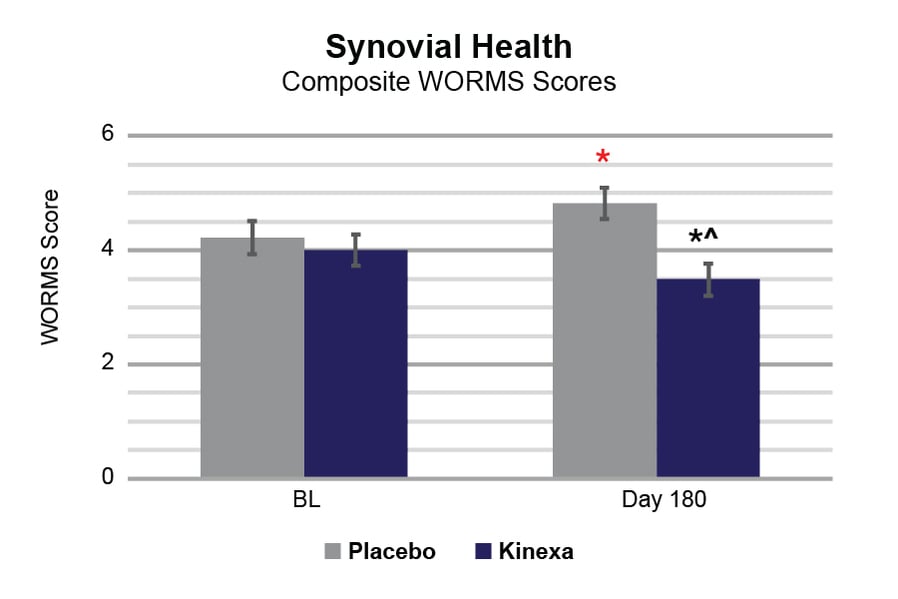
Kinexa Charts_Synovial Health

Synovial Health WORMS Composite Scores improved significantly versus baseline and placebo for the Kinexa group, while the placebo scores declined significantly over the 6-month study. 


WORMS Synovial Health Composite Score includes synovitis, effusion, periarticular cysts and loose bodies.


CLINICAL HIGHLIGHTS

Clinical Study: Kinexa and 5 Key Joint Structures
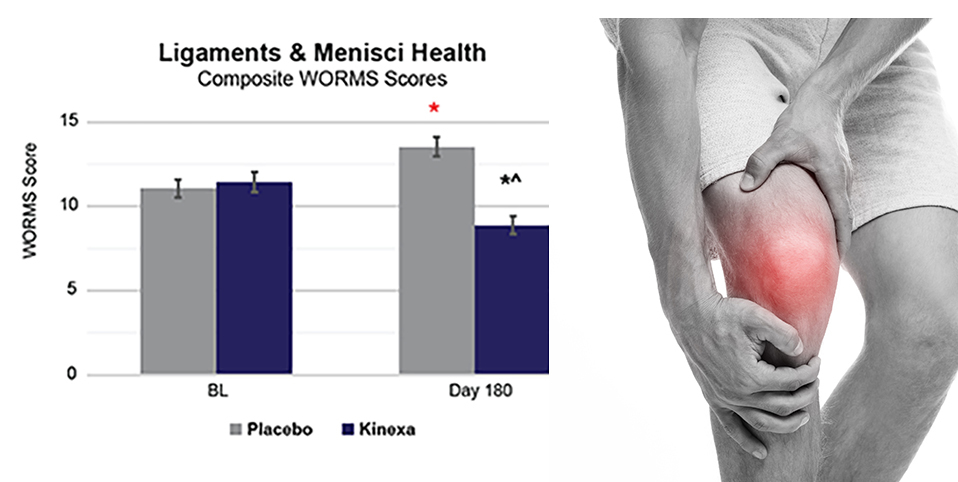
KNX CARD 01A

Over a six-month study, Kinexa was shown to preserve and improve five key joint structures: Cartilage, Menisci, Ligaments, Synovium, and Subchondral bone*


GET THE RESULTS

KNX CARD 01A
ACCESS CLINICAL STUDIES

MARKET OPPORTUNITIES

icon-bones

Bone, Joint & Muscle Health

Kinexa opens up a new segment of the joint health category: whole joint health. It goes beyond managing symptoms toward a new understanding of bone and joint health, addressing a much broader range of factors that contribute to joint health and mobility.

Healthy Aging Icon V3

Healthy Aging

When cartilage, meniscus, ligaments, and the foundation beneath the cartilage stay strong and resilient, the joint can absorb shock, distribute load evenly and remain stable through everyday life, training, aging, and wear-and-tear.

icon-aging

Experiential Longevity™

Kinexa meets surging longevity demand by protecting joint structure and functional mobility, helping consumers stay active, capable, and independent longer.

icon-active-con

Active/Sports Nutrition

Kinexa addresses new realms of mobility improvement starting with comfort and flexibility and adding the potential for long-term protection.

APPLICATIONS

app-capsules

CAPSULES

effervescent icon new

EFFERVESCENTS

app-powders

POWDERS

app-softgels

SOFT GELS

app-stickpacks

STICK PACKS

app-tablets

TABLETS

Origins

Behind the imaging technology used to validate Kinexa

To date, most clinical work in the joint health sector has focused on enhancing comfort. But joints aren’t just “pain sensors”. They are load-bearing mechanical systems. The new study on Kinexa is revolutionary because it makes use of imaging technology to demonstrate whole joint support.
 
MRI cartilage morphology evaluates the structure, thickness, and surface integrity of joint cartilage using magnetic resonance imaging (MRI). It assesses features such as cartilage thickness, volume, defects, and surface damage. Morphologic MRI helps detect cartilage degeneration, loss, or repair.
 
WORMS (Whole-Organ Magnetic Resonance Imaging Score) is a semiquantitative MRI scoring system used to evaluate the entire knee joint. It grades multiple structures—including cartilage, bone marrow lesions, menisci, ligaments, and synovium—across defined regions. WORMS provides an overall picture of joint health.
 
dGEMRIC (delayed Gadolinium-Enhanced MRI of Cartilage) is an MRI technique used to assess cartilage composition, particularly the concentration of glycosaminoglycans (GAGs), key molecules that maintain cartilage resilience and hydration. Lower dGEMRIC values indicate GAG loss and early cartilage degeneration, making the method useful for detecting biochemical cartilage changes before structural damage appears.
 
MRI of Knee

INSIGHTS

The Kinexa Stack

Kinexa is a new type of ingredient in the joint health space, supported by a clinical study that focuses on ‘whole joint structure. Most of today’s ingredients have science centered on comfort, stiffness, flexibility and function – based on subjective testing. Kinexa’s unique functionality and clinical work puts it in a position to be combined with these ingredients to create a new ‘stack’ for joint health.


A great example of this would be pairing 200 mg/day of Kinexa with PLT’s AprèsFlex 5-Day Joint Support. One of the leading joint health ingredients in the world, AprèsFlex is supported by four clinical studies that demonstrate joint comfort and other measures in just 5 days at a remarkably low 100 mg/day dose. This stack will offer consumers fast, experiential support plus objectively measured, imaging-validated structural benefits that support joint longevity.


PLT Mobility Solutions icon wide-1


Jennifer Murphy circle pic

“Kinexa raises the bar because it evaluates the joint as a system, not just how it feels. This new study opens the door for our customers to develop new products that may contribute to long-term mobility across different life stages."

Jennifer Murphy, MS, RD, Head of Innovation & Clinical Science for PLT Health Solutions

Frequently Asked Questions

What is Kinexa?

Kinexa is a patented plant-based ingredient from PLT Health Solutions that supports joint structure, strength, and long-term mobility. It is a proprietary combination of three botanical extracts — Haritaki (Terminalia chebula), Turmeric (Curcuma longa), and Indian Frankincense (Boswellia serrata) — in a low, 200 mg/day dose. In a six-month clinical study, Kinexa was shown to preserve and improve five key joint structures: cartilage, menisci, ligaments, synovium, and subchondral bone.*

What are the main benefits of Kinexa?

Kinexa supports whole-joint structure, strength, and long-term mobility. In a six-month clinical study, Kinexa demonstrated support across all five key joint structures — cartilage, menisci, ligaments, synovium, and subchondral bone* — as well as a 24% improvement in knee strength and a 26% improvement in functional mobility*. Structural benefits are confirmed by magnetic resonance imaging (MRI).

Who should take Kinexa?

Kinexa is designed for brands formulating joint health, healthy aging, and active performance products. It is well-suited for consumers in the 40+ demographic focused on maintaining mobility and joint integrity over time, active adults who want structural joint support alongside performance, and younger consumers looking to maintain joint health proactively. Its low 200 mg/day dose, clean-label certifications, and broad format compatibility make it a practical fit across multiple product categories and consumer needs.

What does "whole-joint solution" mean?

A healthy joint depends on many structures working together, including cartilage, menisci, ligaments, synovium, and subchondral bone. Few joint ingredients have directly demonstrated impact on any of these structures. A whole-joint solution demonstrates impact on all these structures and more — helping deliver long-term strength, stability, and mobility. Only Kinexa has been clinically shown to preserve and improve these five joint structures, confirmed by MRI.*

What is Kinexa made of?

Kinexa is a patented combination of three botanical extracts: Haritaki (Terminalia chebula), Turmeric (Curcuma longa), and Indian Frankincense (Boswellia serrata). Each is standardized to specific active compounds — chebulagic and chebulinic acids, curcuminoids, and amyrins, respectively. All three qualify as Old Dietary Ingredients (or grandfathered) under the Dietary Supplement Health and Education Act of 1994 (DSHEA).

How does Kinexa compare to glucosamine, chondroitin, and collagen?

Glucosamine and chondroitin are building-block ingredients with inconsistent clinical results. Collagen supports comfort but shows limited functional outcomes. Notably, these ingredients lack imaging-validated impact on the joint structures they are taken to support. Kinexa has been confirmed by MRI to support five key joint structures: cartilage, ligaments, menisci, synovium, and subchondral bone,— with demonstrated support for joint strength, mobility, and comfort,* making it a meaningful differentiation opportunity for joint health brands.

What is the recommended dose of Kinexa?

The clinically validated dose is 200 mg per day. In a groundbreaking six-month double-blind study, Kinexa demonstrated statistically significant support of multiple joint structures, knee strength, walking speed, functional mobility, and joint comfort, stiffness, and function.*

What delivery formats is Kinexa compatible with?

Kinexa works in capsules, soft gels, tablets, powders, effervescents, and stick packs — covering the full range of formats used in joint health, healthy aging, and active performance products. That flexibility makes it straightforward to incorporate into both new formulations and existing product lines.

*The products and statements made on this web site have not been evaluated by the United States Food and Drug Administration. These products are not intended to diagnose, treat, cure, or prevent disease. This website is for informational purposes only.

RESOURCES

PLT Health Solutions Launches Longevity Research Initiative
April 23, 2026

Experiential Longevity™ Offers Consumers Relatable Benefits and Goals

Industry NewsPress Releases
read more
Logo
PLT Launches New Ingredient To Improve Joint Structure, Strength and Function, Promoting Long-Term Mobility
March 23, 2026

Kinexa® Joint Longevity Complex Clinically Demonstrated to Improve Musculoskeletal Structure for Stronger, More Resilient Joints 

Industry NewsPress Releases
read more